
Designing work to optimise performance. Part 2
Mental health and game time
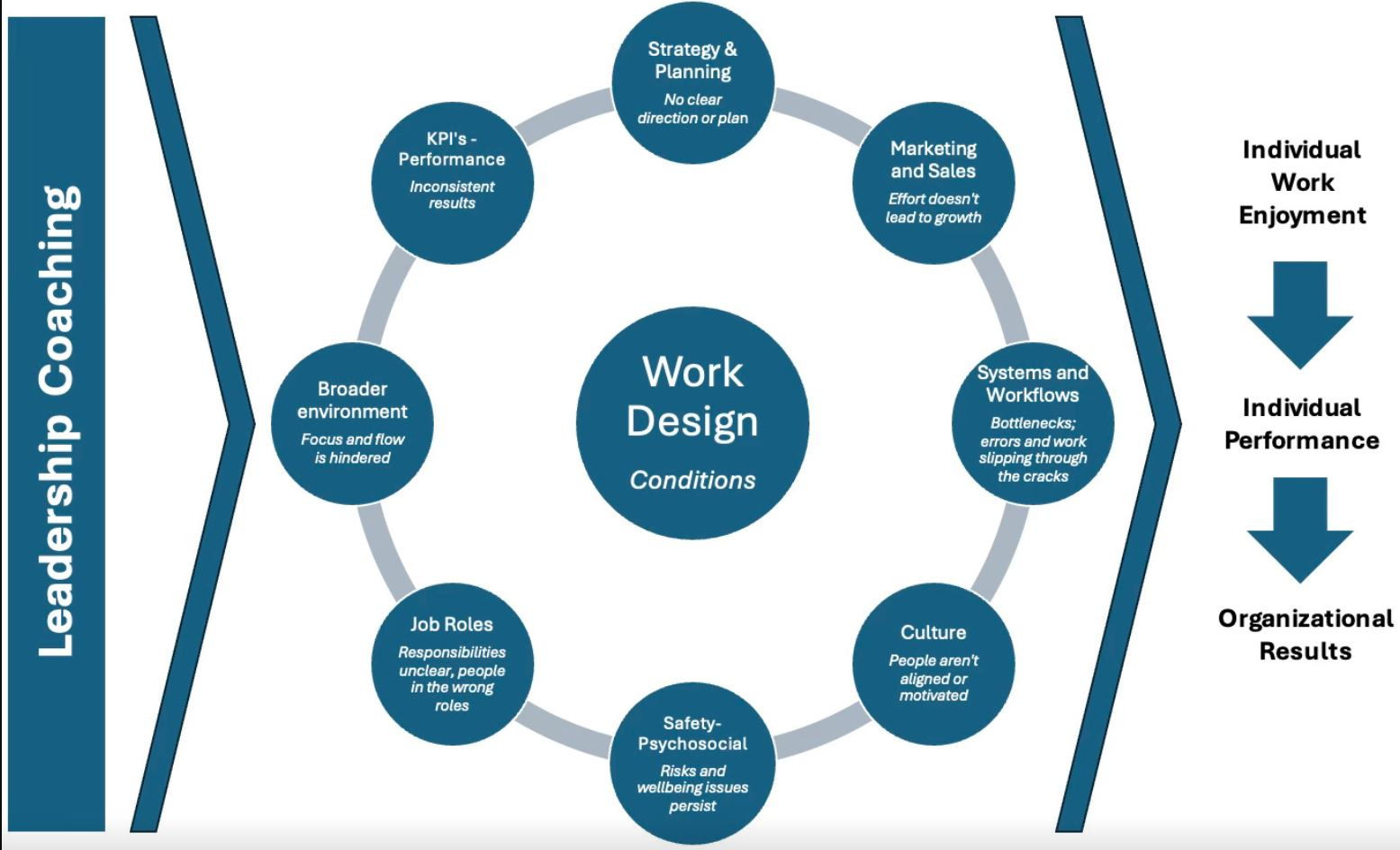
In last week’s post (you can read it here), I said that tailoring “work design to the unique needs of each person, team, and business is where I see maximum value achieved at minimal cost.”
When it’s game on, it’s game on, and leaders have to be aware of their players.
Last week, a Carlton Football Club player struggled during the game. The response from the media was mixed in relation to what the club should or should not have done in the situation. It seems to me Carlton faces the same types of issues that are a regular part of the work landscape for business leaders and managers at this time.
The heart of the matter is, what is the best way to respond to a situation where a team member is struggling?
Reflecting on the major shift in attitude towards mental health that’s occurred in the AFL, former player Dermot Brereton reflected on changing attitudes towards player health and mental health, lamenting past times where “we must have lost so many talented players” because of not supporting them.1
Given that approximately 1 in 5 of all Australians will experience a mental health issue in a 12-month period,2 and if you think of the numbers in your team, you’ll get an understanding of the number of people who may do it tough in the coming year.
And this is where the design and ongoing support of psychological safety come into play.
I had a client call and ask if I would help a team member who appeared to be struggling. I worked with the person (support) and management (designing their work and supportive mechanisms) and resolved the issues. Speaking with an employment lawyer sometime later, she remarked, “That boss is amazing. Many would have tried to find a way to get rid of them.”
Brereton said it well: “Things have changed.”
Ray
Rayism of the week: Old leadership said take the heat or get out. Modern leadership adjusts the temperature so individuals can perform according to where they’re at.
I help good leaders traverse tough times by aligning the conditions that drive performance.
ray@rayhodge.com.au; www.rayhodge.com.au; +61 403 341 105
Connect with me on LinkedIn
https://www.aihw.gov.au/mental-health/overview/prevalence-and-impact-of-mental-illness
Great observations! Sometimes a little light hearted views also help: in the modern world it is often those who are sane who suffer. Advice: when your toungue is in your cheek, don't grit your teeth.
'When it’s game on, it’s game on, and leaders have to be aware of their players'. I find this statement encouraging. Some leaders don't possess the empathy required to understand what may be negatively affecting their players.