
Stop Paying With Your Wellbeing

This week I was interviewed on a podcast relating to the subject of procrastination and time management. Part of the conversation focussed on how technology has changed the way we communicate, especially at work. While technologies such as email, teams, zoom, slack, SMS and others, were introduced to workplaces with the promise of ease and efficiency, the reality is they are more often than not, a major disruptor to productivity, with consequences for reduced wellbeing.
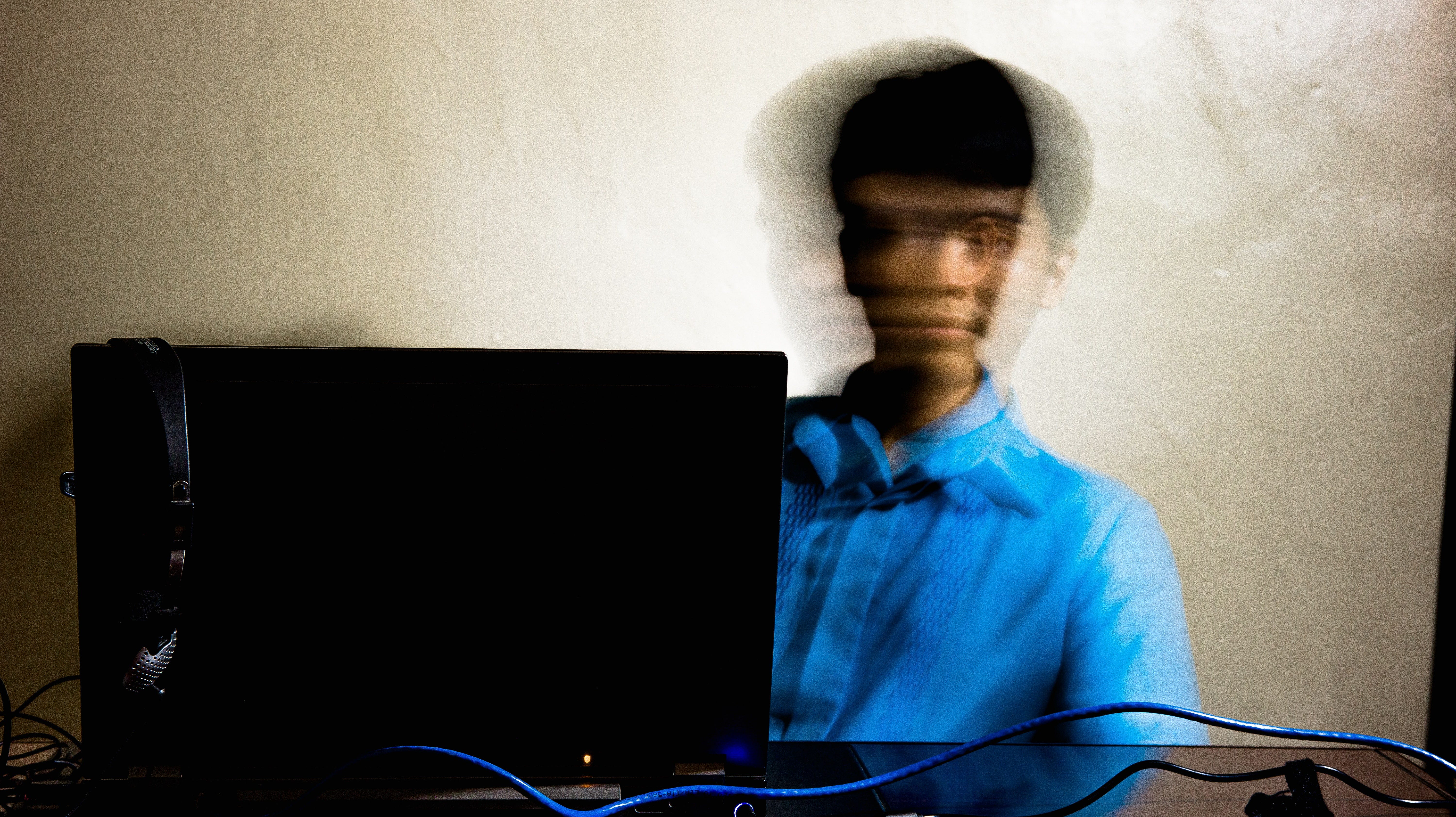
The cost to wellbeing is something a recent Microsoft report called “digital debt” and is estimated to impact 64% of employees, who are struggling to get out from underneath it. Further, the same report estimates that on average 57% of people’s time is taken up with electronic communications, leaving only 43% of the day for creation.1
There is no single solution to the problems that email and electronic communication creates for humans. Such communications arrive in an unorganised way, with no respect for prioritisation or workflows and can range anywhere from completely irrelevant through to vital such that you can’t simply ignore them, because there just may be a “bomb” in your in box that’ll blow if you don’t see it.
Given that AI hasn’t yet solved this particular work problem, here are some ways you can create some relief from the digital debt.
Try creating rules and folders so that emails that probably aren’t urgent are re-directed out of your inbox. One such rule could be to have a CC folder, so that anything that isn’t addressed to you, but that you’re CC’d in on, is directed there. You can check your CC folder once a day to make sure there aren’t any “bombs”.
Do your bit to minimise electronic communication by being disciplined with your own communications. A bit of precision and clarity can save ten back and forth messages and get the job done. And don’t copy in another person unless you really need to.
When scheduling a meeting, instead of open-ended statements such as “I’d like to meet next week”, say “I am available on Tuesday morning or Friday at 11 am. Feel free to send me a meeting request with what works best for you?”
Turn all alerts off when you need to do focussed work.
Try deleting social media apps so you have to go onto the actual website, rather than being “pinged” through the day.
And if you want to get completely outrageous, start thinking seriously about how you set boundaries at work. One interesting idea I heard once came from a worker who would put on their “out of the office” autoreply, “I’m away on leave for the next two weeks. To help me hit the ground running when I get back, I’ll be deleting all emails that came in while I was away. If your matter is still important on that date, please feel free to contact me again.”
From my work in coaching others to be more efficient and productive, one of the most useful disciplines I have seen work, is to have pre-scheduled daily times to check and respond to digital communication. This helps minimise the ongoing distraction they bring to our worlds and increases wellbeing and available time for more important work.
And if you have other methods that work for you, feel free to post them by hitting the comment button. I’d love to read them, as I’m sure others would.
Ray
Thanks for reading this - yet another piece of digital communication. I trust it enhances your wellbeing, and if you liked it, please let me know by clicking the heart.
Upcoming Webinar…

For more information and to register, click here.
+61 403 341 105; ray@rayhodge.com.au; www.rayhodge.com.au
Connect with me on LinkedIn
*Photo by Nothing Ahead
Here is the link to the Microsoft report.